A Sports Betting Bankroll Challenge gives serious bettors a cleaner way to judge progress than screenshots, streaks, or one-off picks. It matters because betting content keeps getting faster, louder, and more reactive, while the bettors who last are usually the ones who build discipline, protect capital, and review every decision with clear eyes. The best version is not flashy; it is measured, repeatable, and honest about the edge sportsbooks already hold.
What A Sports Betting Bankroll Challenge Actually Means
A bankroll challenge is a structured betting project built around a starting balance, defined rules, and a complete record of every wager. The amount can be small or large, but the money is not the point. The point is structure. A challenge turns betting from a stream of opinions into a process that can be reviewed.
A pick asks, “Do I like this side?” A challenge asks better questions. Was the bet within the unit plan? Was the price acceptable? Did the market fit the bettor’s knowledge? Was the decision made with patience, or was it made because the bettor wanted action?
That is why I see a Sports Betting Bankroll Challenge as an education tool before I see it as a performance tool. It does not remove risk. It makes risk visible, and visibility is the first step toward better control.
Why Tracking Matters More Than Hot Picks
Most bettors can remember a painful bad beat or a big win. Fewer can explain, with clean records, how they actually performed across fifty or one hundred wagers. Memory favors drama. Tracking favors evidence.
A complete betting record should include the date, sport, market, selection, odds, stake, result, profit or loss, and a short note explaining the bettor’s thinking before the final score changes the story. Without it, every review becomes vulnerable to bias.
Tracking also exposes small leaks. Maybe the bettor does well on pregame sides but gives money back on live props. Maybe the record looks solid until parlays are separated. Maybe the worst losses came after a previous loss, not after poor analysis. A bankroll challenge reveals patterns that casual betting hides.
The Difference Between Action And Process
Entertainment betting is not automatically wrong. Some people bet for fun, set a limit, and treat the cost like any other leisure expense. The danger starts when entertainment is mistaken for skill. That is where a challenge creates clarity.
A process-driven bettor defines unit size before the card begins. An action-driven bettor changes stake size based on mood. A process-driven bettor knows which markets are allowed. An action-driven bettor jumps from football sides to tennis props to late-night live basketball because something is still available.
The difference is not intelligence. It is friction. A good process slows the bettor down before money is committed. It forces a pause between interest and action. That pause can prevent the most expensive mistakes, especially after a bad beat or a lucky win.
How To Set Rules Before The First Bet
A challenge should begin before the first wager. Starting after a hot run creates a distorted record, and starting without rules turns the challenge into ordinary betting with a title attached. The rules are the foundation of accountability.
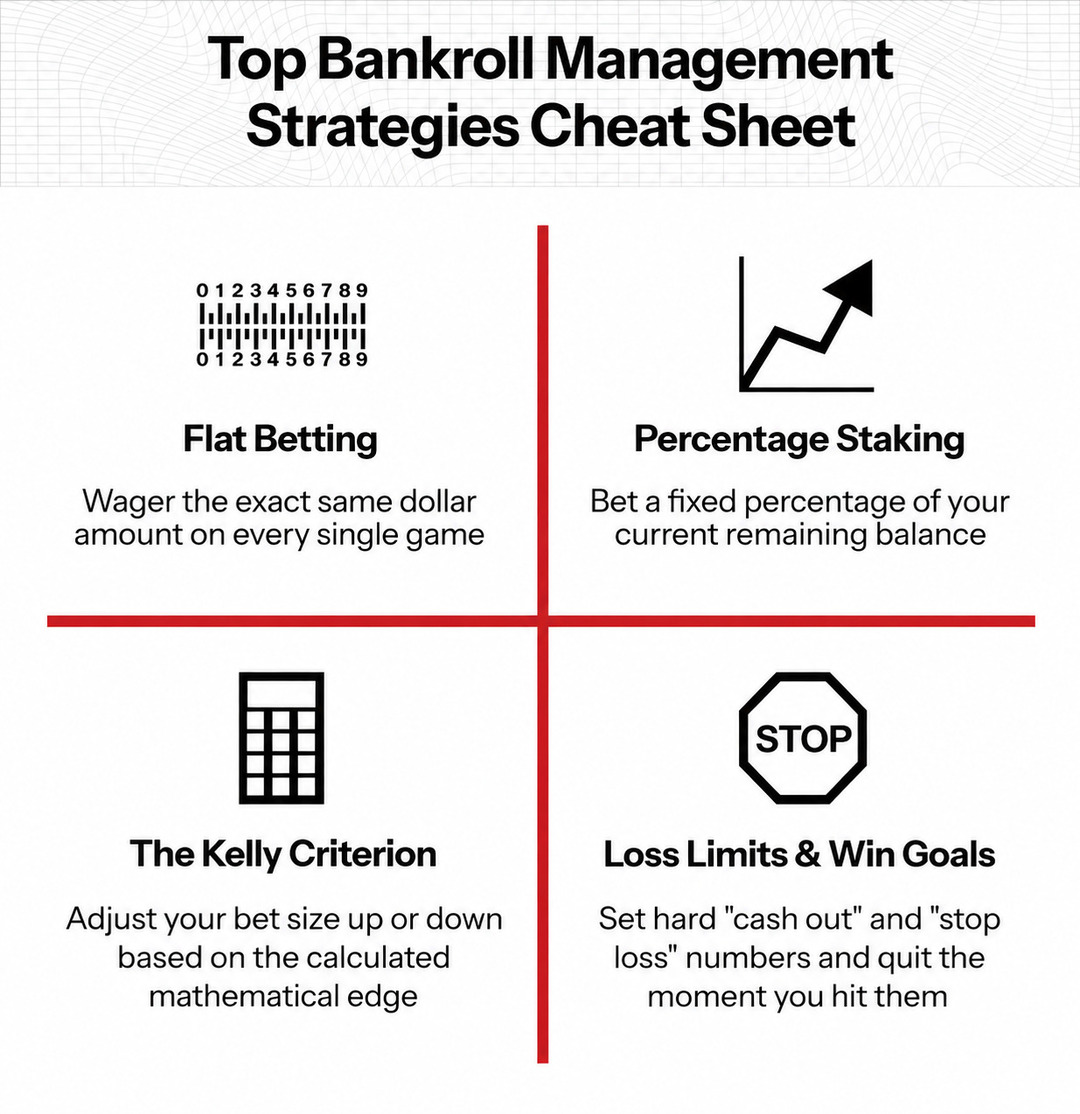
First, define the starting bankroll. It should be money the bettor can afford to lose without affecting bills, savings, or normal life. Second, define a unit size. Many bettors prefer a percentage-based unit because it keeps stake sizing connected to bankroll health instead of emotion.
Third, decide which bet types are allowed. A beginner challenge may be stronger if it focuses only on straight bets. A props challenge should avoid mixing in sides and totals. A narrow challenge is often more useful than a broad one because it protects focus and reduces noise.
Fourth, define what stops the challenge. A loss limit, time limit, or rule-breaking trigger gives the bettor a way to pause before damage spreads. Without a stop rule, the challenge can become a chase with better branding.
What A Bankroll Challenge Can And Cannot Prove
A bankroll challenge can prove whether a bettor followed rules. It can show whether unit sizes were consistent, whether records were complete, and whether decision-making showed consistency. It can reveal whether a bettor has the temperament to survive variance.
It cannot prove long-term skill in a short window. A small sample can be flattering or cruel. A winning record may include luck. A losing record may include good numbers and strong decisions that simply ran poorly. The challenge needs context, not blind celebration or panic.
That is why the ending balance should not be the only grade. The better review asks whether the bettor took fair prices, avoided emotional staking, stayed inside the plan, and learned something useful. Profit matters, but process explains whether the review deserves trust.
Public Challenges And Transparent Records
Public bankroll challenges can be powerful because they reduce selective posting. If every bet is logged, the audience sees the full record, not just the wins. That kind of transparency can build credibility when it is handled honestly.
The problem is that public tracking can also create performance pressure. A bettor may feel pushed to post daily, take bigger swings, or make the challenge more exciting than it should be. The audience may reward drama, but bankroll management rewards restraint.
For that reason, public challenges need boring rules. Passing should be acceptable. Small bets should be acceptable. Losing days should be included. The goal is not to entertain people into believing every bettor has an edge. The goal is to show how disciplined decisions look when both wins and losses are visible.
Live Betting Is The Biggest Stress Test
Live betting can challenge even a well-designed bankroll plan because the decision window is compressed. Odds move quickly. The screen creates urgency. A missed number can feel like a lost opportunity. That environment tests control.
The solution is not to pretend live markets are unusable. The solution is to create stricter rules before the game starts. A bettor might limit live bets to specific markets, cap total live exposure, or require a written reason before placing anything in-game.
That same issue appears in fast-moving markets, where a live betting risk framework can help bettors separate analysis from impulse. If a challenge tracks live wagers separately, the record often shows where discipline is strongest and where it breaks.
The first broken rule is usually more valuable than the biggest win. It tells the bettor when pressure took over. Maybe it happened after a bad beat, during a losing streak, or while chasing a number that had already moved. Once the trigger is visible, it can be managed.
Measuring Progress Without Pretending Every Bet Will Win
The healthiest bankroll challenge does not promise constant winning. It teaches bettors to separate outcome from process. A losing bet can still be a good decision if the price, stake, and reasoning were sound. A winning bet can still be a poor decision if it was impulsive or oversized.
Progress may show up as fewer chase bets, cleaner market selection, better price discipline, or more comfort with passing. Those improvements are easy to overlook because they do not always appear as profit immediately. Still, they create resilience.
The scoreboard matters, but it should be read beside the decision log. A slightly negative challenge with strong rule compliance may be more valuable than a profitable challenge built on reckless staking. The goal is not to feel smart for a week. The goal is to build habits that can survive variance.
Safer Betting Starts With Boundaries
A bankroll challenge should never be used to make risk look harmless. It can make betting more organized, but organization is not protection by itself. The bettor still needs limits, self-awareness, and the willingness to stop when betting stops feeling controlled.
Clear boundaries include no extra deposits during the challenge, no borrowing, no hidden bets outside the record, and no stake increases after losses. The same mindset belongs beside any responsible gambling framework because the best process can still fail when emotion takes over.
I also like behavioral stop rules. If betting affects sleep, work, relationships, or mood, the challenge should pause. If the bettor breaks stake rules twice, the challenge should pause. The point is not toughness. The point is wellbeing.
Common Mistakes That Ruin A Challenge
The first mistake is starting with too much money. A challenge should be meaningful, but it should not create fear. If every loss feels personal, the bankroll is too large. Good staking requires emotional room, not constant anxiety.
The second mistake is changing rules midstream. A bettor may begin with one-unit straight bets, then add parlays after a cold stretch. That destroys the integrity of the record. If the rules need to change, close the challenge, review it, and start again.
The third mistake is judging only profit and loss. A bettor can win with bad habits and lose with good ones. The review should include odds quality, market selection, stake consistency, and emotional mistakes. That wider view creates insight.
The fourth mistake is hiding the dull parts. The passes, small losses, and uncomfortable notes are where the learning often lives. A polished record that removes the ugly moments may look cleaner, but it teaches less.
What Bettors Should Think About Next
The best next step is not a bigger bankroll or a more aggressive target. It is a cleaner plan. Before starting a challenge, the bettor should decide what the record is supposed to teach. Is the goal to improve pregame sides, learn prop discipline, test live-betting habits, or simply create a more honest view of behavior? A challenge without a learning objective can become another scoreboard.
Bettors should also decide how often they will review the record. Daily review may be useful for emotional control, while weekly review may be better for spotting broader trends. The cadence matters less than the commitment to review without excuses.
The real opportunity is not proving that every opinion is sharp. It is building a feedback loop. Each wager creates information. Each mistake creates a warning. Each pass creates proof that action is optional. Over time, that feedback can sharpen strategy without encouraging reckless confidence.
FAQs About Sports Betting Bankroll Challenges
What Is The Main Purpose Of A Bankroll Challenge?
The main purpose is to create a controlled environment for reviewing betting decisions. It helps a bettor measure stake discipline, market selection, and emotional control. The goal is improvement, not a promise that every challenge will end in profit.
How Much Money Should A Bettor Start With?
There is no universal amount. The bankroll should be money the bettor can afford to lose without stress outside betting. If losing the full amount would create financial or emotional damage, the starting number is too high.
Should Parlays Be Allowed?
Only if they are allowed before the challenge begins. For most educational challenges, I prefer straight bets because they make performance easier to evaluate. Parlays add variance and can make quality harder to judge.
Is A Public Challenge Better Than A Private One?
A public challenge can improve accountability, but it can also create pressure to perform. A private challenge may be better for beginners who need to build habits without managing an audience. Honesty matters more than visibility.
How Should The Challenge End?
The endpoint should be defined in advance. It may end after a season, a fixed number of wagers, a profit target, a loss limit, or a set period. A clean endpoint protects the review from emotional decision-making.
The Smarter Way To Track Betting Progress
A Sports Betting Bankroll Challenge is not a magic system. It will not make every bettor profitable, and it should not be sold as a shortcut. Its value is more practical: it turns scattered picks into a record, and that record gives the bettor a way to see habits clearly.
That matters because sports betting is built to test attention, emotion, and patience. The bettor who tracks honestly can spot leaks before they become identity. The bettor who refuses to track is often left with stories, excuses, and selective memory.
The future of sharper betting content should be less about loud confidence and more about documented process. A Sports Betting Bankroll Challenge gives disciplined bettors a framework for growth, safer decisions, and clearer review. In a market that punishes weak habits, that kind of visibility is not optional. It is the beginning of better betting judgment.