As of September 21, 2026, NFL advertising policies have become a sharper filter for sportsbook partnerships, especially during live game broadcasts. The issue is not simply which operator can appear on screen. It is which product can be promoted, how league data is used, and whether fan-facing rewards stay inside regulated sportsbook channels rather than drifting into prediction-market messaging.
For a betting community, that matters. Challenge rewards, leaderboards, odds-comparison discussions, and operator promotions all depend on clarity. If a sportsbook partner has rights during NFL programming but cannot run broad brand ads or promote certain products, community teams need to separate market education from promotional noise. That separation helps bettors compare regulated options without treating every ad impression as equal.
How NFL advertising policies Shape Partner Rights
NFL advertising policies And Approved Products
On August 27, 2026, the NFL announced multi-year commercial agreements with DraftKings, FanDuel, and Fanatics Betting and Gaming. The league said those partners receive official league data, in-game advertising rights during NFL broadcasts, use of league marks, and integrations into league events such as the Super Bowl and NFL Draft, according to the NFL announcement.
The research notes indicate that the in-game advertising permission is narrower than a general brand pass. Ads aired during NFL games by official sportsbook partners must promote a specific approved product. General corporate advertising, including broad prediction-market promotion, is described as prohibited during games. That distinction limits how much an operator can use NFL inventory to support every part of its business.
These NFL advertising policies push sportsbook partners toward product-specific messaging. A traditional sportsbook ad tied to a regulated betting product may fit the approved-product framework, while a broad ad for a related corporate brand may not. From a market-analysis view, this creates a clear split between regulated sportsbook visibility and adjacent event-contract activity.
Why Official Data Rights Matter
The data portion of the 2026 agreements is central to sportsbook competition. In-game betting markets, player props, and live pricing depend on fast and consistent information. The research notes state that sportsbook partners must license official NFL data as part of game-broadcast advertising rights, including real-time play-by-play statistics, Next Gen Stats, and BetVision through Genius Sports. That matters because data rights influence product quality, settlement confidence, and how operators present live markets.
No current odds are needed to see the commercial pressure. Operators with official data rights can build NFL products around league-approved feeds and marks, while operators without those rights may have less direct access to the same assets. For bettors comparing regulated books, that can show up in market availability, live-bet timing, prop depth, and how clearly a book explains settlement rules. It should not be read as a reason to favor a specific operator; it is a structural difference worth tracking.
Prediction Markets And Regulated Sportsbook Messaging
How The Ban Changes Advertising Comparisons
The research notes say the NFL confirmed an outright ban on prediction-market advertising during its games as of September 15, 2026. The same notes say the restriction extends beyond broadcast ads to in-stadium signage, club sponsorships, and player endorsements. Even where an official sportsbook partner operates a prediction-market or event-contract platform, the official NFL sportsbook rights do not extend to those products.
This is the key comparison for community engagement. A regulated sportsbook ad during a game sits inside a league-approved commercial structure. A prediction-market product, even if run by a company that also has a sportsbook partnership, appears to be outside that structure for NFL promotional purposes. That split reduces the risk that fans see a single operator name and assume every related product carries the same league approval.
Market Size Creates Strong Incentives
The commercial incentive is large. The American Gaming Association projected on September 4, 2026 that Americans would legally wager $29.5 billion on the 2026 NFL season through state-regulated sportsbooks, nearly flat with about $29.4 billion in 2025, while prediction markets were expanding quickly, according to the AGA estimate.
Flat legal NFL wagering growth does not mean lower ad value. It may mean operators compete harder for existing customers, higher-value bettors, and more frequent in-game engagement. The policy pressure then becomes practical: a sportsbook partner may have strong incentives to cross-promote related products, but the NFL’s in-game rules appear designed to keep game broadcast inventory focused on approved sportsbook products only.
For bettors comparing operators, the safer analytical frame is product by product. Regulated sportsbook accounts, prediction-market accounts, and promotional reward programs may have different oversight, terms, and complaint paths. The same parent brand does not mean the same user protections or the same advertising permission.
Community Rewards And Engagement Guardrails
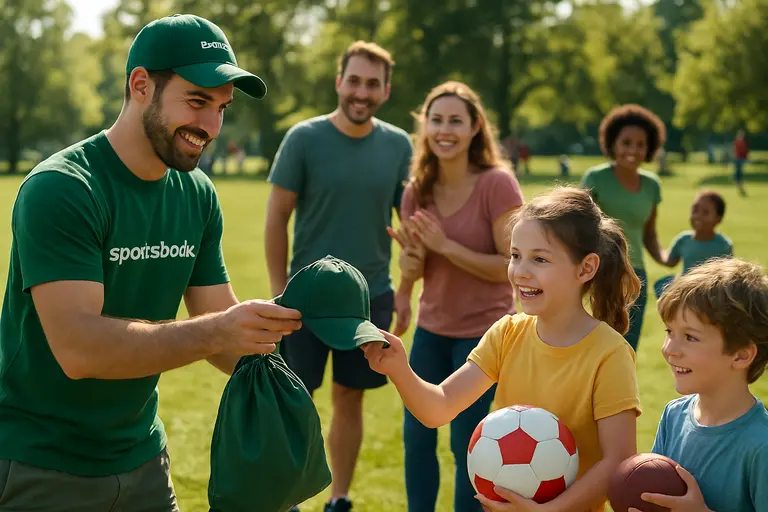
What NFL advertising policies Mean For Challenges
Challenge rewards work best when the rules are easy to understand. If a community runs NFL-themed contests, operator comparisons, or achievement badges, it should be clear whether the reward relates to education, market tracking, odds comparison, or a regulated sportsbook promotion. Blending those categories can confuse members and weaken trust.
For community operators, NFL advertising policies create a reason to separate broadcast-visible sportsbook promotions from community-level engagement mechanics. A reward tied to reading market analysis is different from a reward tied to placing a wager. A leaderboard based on responsible tracking behavior is different from a leaderboard built around volume. Those distinctions matter because community rewards can shape behavior even when they are not formal ads.
There is also a jurisdiction issue. NFL fans live in states with different sports-betting access, different app availability, and different consumer rules. A national broadcast ad may be seen by people who cannot legally use the advertised product in their location. Strong community design should avoid assuming equal access. Clear language about state availability, age requirements, and responsible-play tools helps keep engagement grounded.
Where Operator Comparison Still Helps
Sportsbook comparison still has value, but it should stay analytical. Communities can compare market depth, live-betting functionality, prop availability, settlement transparency, and customer-support paths without steering members toward a pick. That approach is consistent with evidence-based discussion and is more useful than repeating promotional claims.
The same lens applies to rewards. A deposit offer or contest entry has less meaning if users do not understand eligibility, limits, expiration dates, and whether the offer is tied to a specific product. Readers interested in adjacent sportsbook analysis can compare how operator scale affects choice in sportsbook consolidation and U.S. market access.
For an insightful overview of operator themes within the network, consider visiting Amazing Sportbooks. The same cautious standard should apply: compare products, confirm terms, and avoid treating advertising exposure as proof of value.
Sportsbook Partnerships Under NFL advertising policies
What To Watch In Partner Execution
The 2026 NFL sportsbook agreements show how league-controlled advertising can shape the way operators compete. Official partners receive valuable broadcast and data rights, but those rights appear tied to approved sportsbook products rather than open-ended brand promotion. That makes the partnership model narrower, more regulated, and more dependent on product-level compliance.
The biggest community takeaway is not that one operator has a better betting menu than another. The takeaway is that advertising policy now affects how fans encounter sportsbook brands during NFL games. A member may see an ad, join a reward challenge, compare an in-game prop menu, or ask about a prediction-market product in the same conversation. Community moderators and analysts need to keep those categories separate.
That separation supports better engagement. It lets fans discuss market depth without promotional pressure, compare regulated operators without confusing them with event-contract platforms, and evaluate rewards by their terms rather than their branding. As NFL commercial rights and betting products continue to intersect, disciplined classification will be the most useful service a betting community can provide.