In the world of competitive sports betting, knowing about leaderboard psychology is key. Leaderboards don’t just rank people; they build communities and keep users engaged. They tap into our competitive nature, boosting motivation and improving our experience.
People often compare themselves to others, as Social Comparison Theory suggests. Leaderboards make this natural instinct visible, sparking a drive to succeed. They give us a sense of accomplishment and status. Points and rankings are powerful motivators, increasing our effort and performance.
Also, the Self-Determination Theory talks about three important needs: feeling competent, connected, and in control. Good leaderboards meet these needs, turning solo activities into team efforts. For example, BettorEdge combines leaderboards with social features, boosting community and promoting safe gaming.
Why Leaderboards Drive Competition
Leaderboards spark a competitive fire that boosts user engagement. They track key metrics like ROI, win percentage, and bet streaks. This turns passive users into active competitors.
As users rise through the ranks, they attract followers wanting to learn from them. Success leads to recognition and stronger community ties. For example, BettorEdge uses leaderboards to motivate users by comparing their performance.
People are driven by both their achievements and how they stack up against others. The N-effect study from 2009 shows that bigger groups reduce individual motivation. Segmenting leaderboards keeps competition personal and engaging.
In gaming, leaderboards are a key tool. Microsoft uses them in all Xbox Live games, and 90% of mobile games do the same. These leaderboards boost a sense of achievement and keep players coming back.
As users climb the ranks, they gain social validation. This motivates them to do even better. This cycle is why leaderboards are so effective in keeping users engaged over time.
| Platform | Leaderboard Type | Engagement Strategy |
|---|---|---|
| BettorEdge | Betting Leaderboards | Tracking ROI and win percentage |
| Xbox Live | Gaming Leaderboards | Encouraging competitive play |
| Candy Crush | Mobile Game Leaderboards | Fostering social interaction |
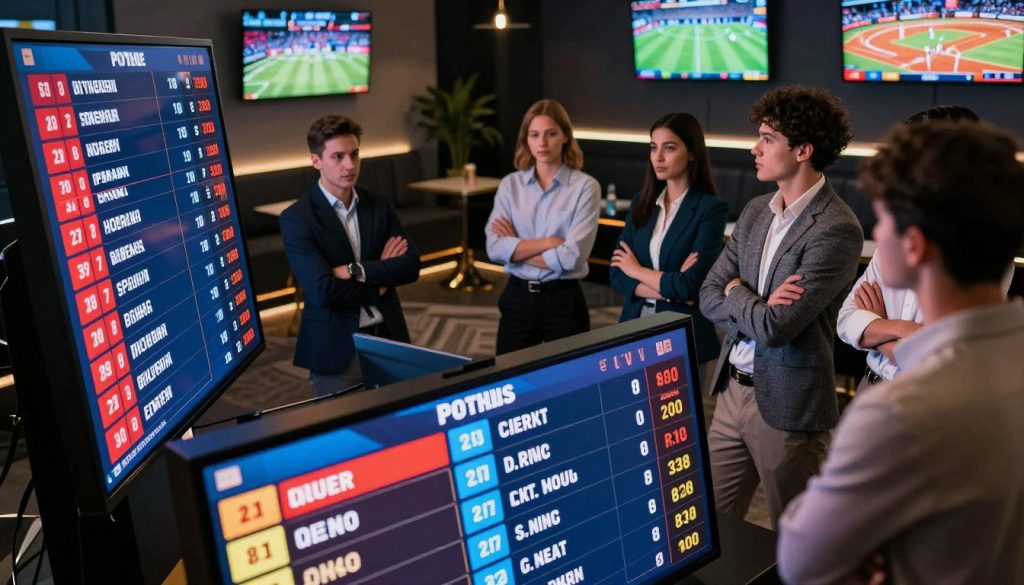
Social Proof and Bragging Rights
Leaderboards mix competition with social bonding and recognition. They show how well each person does and help people connect. This meets a deep need for community and being seen, which is key in betting.
Places like BettorEdge make this better by adding social feeds to leaderboards. Users can share tips, check their rankings, and support winners. This builds trust and helps people find common ground through their wins and losses.
Self-Determination Theory talks about the importance of feeling connected. Seeing your name on a leaderboard makes you feel part of something. This makes people more likely to join in and share their knowledge.
Leaderboards also use the power of social proof. Seeing others do well makes you think you can too. This creates a cycle where everyone helps each other grow.
In short, leaderboards turn betting into a social activity. They mix competition with building a community. This way, everyone gets something out of it, not just the top scorers. For more on how leaderboards shape behavior, read this article on leaderboards.
Behavioral Insights
Understanding the psychology behind betting leaderboards shows why players make certain choices. Behavioral economics uncovers biases that shape decisions in competitive settings.
Loss aversion is a key concept. It shows players fear losing more than they value winning. This fear can make them play too safe, missing out on opportunities.
On the other hand, overconfidence can also play a role. After winning, players might think they’re better than they are. This can lead to taking bigger risks, which can harm them in the long run.
Tilt is another factor. It happens when frustration from losing clouds a player’s judgment. Tilt can cause players to make rash decisions, leading to more losses. Seeing losses on leaderboards can make this worse.
Anchoring and framing effects also influence how players see their standings. Seeing a high score can set expectations for future decisions. How information is presented can greatly affect user behavior, making it key for platforms to consider these effects when designing leaderboards.
But there are also darker sides. Leaderboards can cause comparison anxiety, leading to an unhealthy focus on rankings. This can lead to addiction as players feel they must keep or improve their rankings. It’s important for platforms to balance competition with user well-being.
In summary, understanding these insights is key for both players and platform designers. Users should know their tendencies, and designers should ensure responsible gaming. For more on the psychology of leaderboards, read this informative article.

How to Stay Focused (and Calm) When Competing
In the high-pressure world of competition, staying focused and calm is key. When the stakes are high, it’s easy to feel overwhelmed. But, there are ways to stay calm and focused.
One way is to take quick breaks after tough losses. These short resets help you regain your composure and clear your mind.
Another technique is tactical breathing. Deep, controlled breaths can reduce anxiety and improve concentration. Positive self-talk routines also boost confidence and keep negative thoughts away. Remember, how you talk to yourself matters a lot in high-pressure situations.
Building emotional resilience is not just about what happens during the competition. It also involves your habits outside of it. Regular exercise, consistent sleep, and mindfulness practices help build a strong mental state. These habits help you manage stress effectively.
Visualization techniques are also powerful. Mentally rehearsing high-stakes scenarios makes real competitions feel less daunting. A 2024 study by the American Psychological Association shows that targeted psychological training helps esports players manage anxiety and maintain performance under pressure.
Adopting a growth mindset is essential. Viewing setbacks as opportunities to learn, not as evidence of failure, helps you bounce back faster. This mindset not only sustains your motivation but also enhances your overall performance.
Lastly, consider using responsible gaming tools. Features like betting limits and performance analytics help manage your competitive behaviors. These tools provide external support, ensuring you engage healthily while enjoying the motivational aspects of competition. For more insights on maintaining focus in competitive settings, check out this helpful resource.
Dealing with Ups and Downs
In the world of betting leaderboards, ups and downs are normal. It’s key to keep a healthy mindset. Players who grow with each loss see failures as chances to learn.
They figure out what went wrong, tweak their plans, and come back stronger. This mindset is common among top esports teams. They regularly review their losses to get better.
Platforms can help by giving tools to track progress. It’s important to recognize good betting habits. Features that show consistent effort, not just wins, make everyone feel accomplished.
Seasonal resets of leaderboards offer new beginnings. They let newcomers start fresh and ease the pressure on those who fell behind.
Community support is vital in dealing with the highs and lows of competition. Sites like BettorEdge promote teamwork by letting users tip successful bettors. This turns competition into a shared journey where everyone can win.
Celebrating wins through social feeds and events strengthens the community bond. It makes the experience more enjoyable for all.
Managing betting psychology is the secret to success in leaderboards. Building resilience and a supportive community makes the journey rewarding. Viewing both wins and losses as learning experiences leads to lasting success.