BetMGM and Major League Baseball’s renewed partnership is a useful snapshot of where sportsbook competition is moving in 2026. The market is still shaped by pricing, props, same-game parlays, live betting menus, and mobile product quality, but a major league partnership shows that top sportsbook brands are fighting for attention in places that sit outside the bet slip. Media placement, official league relationships, responsible gambling messaging, fan experiences, casino crossover products, and event hospitality are now part of the competitive field.
For Betting Challengers readers, the lesson is direct: sportsbook evaluation should not stop at odds screens. A platform’s market position can be shaped by how it connects with leagues, how it handles responsible gambling, how it builds trust around data and content, and how it presents betting inside a broader sports entertainment ecosystem.
Why The MLB Renewal Matters For Sportsbook Competition
On June 23, 2026, MGM Resorts International and BetMGM announced the renewal of their partnerships with Major League Baseball. The agreement extends a relationship that began in 2018, when MGM Resorts and BetMGM became MLB’s first official gaming and sports betting partners. That timing matters. The 2018 partnership arrived during the early phase of the modern U.S. sports betting expansion, soon after the Supreme Court opened the door for state-regulated sports wagering.
The latest renewal signals that league-linked sportsbook branding has matured. BetMGM is no longer using MLB visibility only to introduce itself to baseball fans. It is using that visibility to stay present across a long regular season, premium events, digital platforms, and content environments where baseball bettors are already checking scores, trends, injuries, rotations, and standings.
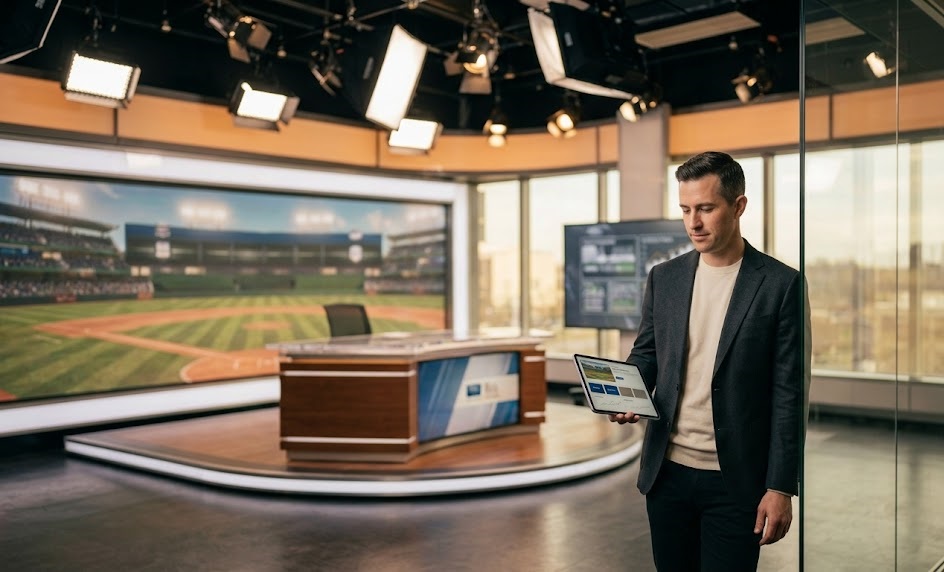
Under the renewed multi-year agreements, MGM Resorts continues as MLB’s exclusive Integrated Resort & Casino Partner, with activity tied to destinations, MLB Awards Week in Las Vegas, and other league events. BetMGM, meanwhile, continues to market sports wagering offerings across MLB Network, MLB.com, and the league’s digital portfolio, with reach across the United States and Canada through the official MGM Resorts MLB partnership announcement.
That creates a competitive issue for challengers. Smaller sportsbooks, offshore operators, contest platforms, and niche betting communities may not match that scale, but they still compete for user trust. That means they need sharper differentiation in pricing, contest formats, rules transparency, live market reliability, withdrawal policies, and user education.
How League Visibility Changes The Comparison
Baseball is a daily betting sport. The MLB regular season creates a long calendar of moneylines, run lines, totals, player props, pitcher props, futures, live markets, and series-related angles. A sportsbook with MLB-facing visibility can stay in front of users repeatedly, not just during major national broadcasts.
That repeated visibility matters because sportsbook choice is often habitual. A user checks a score, sees a betting segment, reads a matchup note, opens an app, and compares a market. The more integrated a sportsbook becomes inside the baseball content routine, the more it competes through familiarity rather than odds alone.
This is where BetMGM’s MLB partnership becomes more than a logo deal. MLB’s betting-focused media property, Bettor’s Eye, is presented by BetMGM and appears across MLB Network, MLB.TV, and MLB’s betting-related social content. MLB describes the show as a daily betting-focused program with trends, contributors, and analytics. The page also includes “Must be 21+ to gamble” and responsible wagering language, which matters when betting content is tied to official league media.
For sportsbook challengers, the strategic takeaway is clear. Competing with league-integrated brands requires more than claiming better prices. A challenger has to explain why its format, rules, contest structure, limits, market variety, user controls, or community experience gives bettors a reason to compare.
That same logic applies to line-shopping and contest evaluation. Betting Challengers has already covered how small price differences and timing can affect closing line value in contests, and league-linked sportsbook branding adds another layer: bettors must separate product familiarity from actual market quality.
Why Fan Experiences Are Now Part Of The Sportsbook Product
The renewed agreement does not stop with digital ads. MGM Resorts’ role as MLB’s exclusive Integrated Resort & Casino Partner ties the partnership to hospitality, destinations, fan events, and MLB Awards Week in Las Vegas. That gives the sportsbook and casino group a broader entertainment lane than a standalone mobile sportsbook can offer.
This matters because sportsbook brands are increasingly competing as entertainment ecosystems. A baseball bettor may see value in market depth, but a broader customer may respond to rewards, events, hotel access, casino games, watch parties, and branded experiences. BetMGM’s position benefits from MGM Resorts’ physical hospitality network and its ability to connect sports, casinos, and live events under one brand structure.
For challengers, this changes the comparison table. A sportsbook cannot be measured only by whether it posts a moneyline earlier than another book. It may compete in one or more of these areas:
| Competitive Area | Why It Matters | What Bettors Should Review |
|---|---|---|
| Market Depth | Baseball creates daily prop and live-market demand | Props, alternates, futures, live betting rules |
| Media Visibility | League content can shape user habits | Sponsored programming, data context, responsible messaging |
| Rewards And Experiences | Hospitality can extend the brand beyond betting | Eligibility rules, availability, non-betting value |
| Responsible Gambling Tools | High-frequency sports need safer-play controls | Limits, reminders, self-exclusion, support access |
| Rule Transparency | Contest and sportsbook formats can differ | Settlement rules, void policies, grading process |
A smaller operator may not offer MLB Awards Week access or league-wide media placement, but it can still compete through cleaner rules, sharper user education, transparent contest scoring, stronger community trust, or niche formats built for serious comparison.
What Responsible Branding Adds To The Market
BetMGM and MGM Resorts highlighted responsible gaming in the partnership announcement. The companies referenced GameSense, a program developed and licensed by the British Columbia Lottery Corporation, and said BetMGM customers can receive the same GameSense experience on mobile and desktop platforms that users see at MGM Resorts properties. BetMGM also referenced its anti-athlete harassment policy, which is relevant as leagues and sportsbooks manage the overlap between betting interest, player abuse, and game integrity.
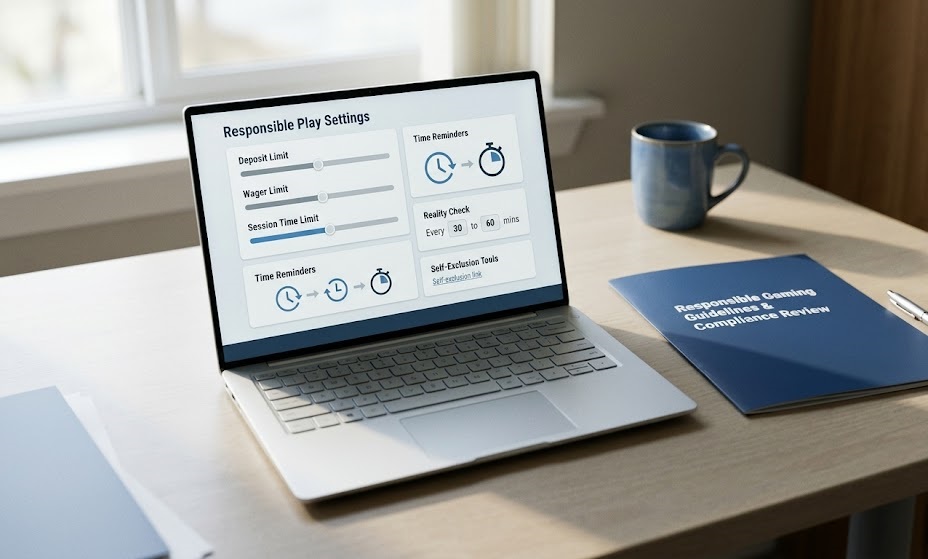
That point should not be treated as a side note. Sportsbook brands that operate inside official league environments face a higher expectation around tone, age gating, responsible gambling, and player protection. The American Gaming Association’s responsible marketing code sets voluntary standards for sports wagering advertising, including audience restrictions and responsible gaming inclusion. Those standards matter more as betting content becomes part of broadcasts, digital platforms, and official league media.
For bettors, responsible branding should be part of the sportsbook comparison process. A polished partnership does not automatically make a platform the right fit, and a challenger brand is not automatically weaker. The review should focus on what users can verify: published terms, responsible gambling tools, market rules, account controls, withdrawal policies, and how the platform handles user safety.
This is where independent betting communities and forums can still have a role. A resource such as an offshore sportsbook forum can fit into a broader research process when bettors are comparing market discussion, platform reputation, user experiences, and betting culture across different environments. That research should never replace checking operator terms, local rules, and responsible gambling resources, but it can add context around how bettors discuss platforms outside official marketing channels.
Why Co-Branded Casino Games Broaden The Competitive Field
One detail in the renewed agreement deserves close attention: BetMGM will continue to offer and develop co-branded MLB-themed casino games on BetMGM Casino. That is not just a baseball detail. It shows how sportsbook brands are extending sports partnerships into iGaming, cross-product engagement, and digital entertainment.
This matters in states where online casino is legal and regulated. Sportsbook-led customer relationships can move into casino products, rewards programs, and cross-channel app usage. In markets without regulated online casino, the same branding still shapes perception, even if product access varies by state.
For comparison-focused bettors, the key issue is jurisdiction. Sports betting access, casino access, bonus availability, account rules, and platform features can vary widely by state and operator. A user in New Jersey may see a different product environment than a user in Ohio, Massachusetts, Arizona, or Tennessee. No article should treat sportsbook or casino access as uniform across the United States.
The National Council on Problem Gambling’s responsible gambling resources are useful in this context, since high-frequency sports and cross-product gambling can increase the need for limits, self-exclusion tools, time controls, and support information. Sportsbook competition should be measured partly by how clearly platforms present those tools before a user needs them.
How Betting Challengers Should Read This Partnership
The BetMGM-MLB renewal is not a pick, a prediction, or a reason to choose one sportsbook over another without comparison. It is a sign that sportsbook brands are competing across a broader field than price alone.
A strong sportsbook challenger still needs competitive markets. It still needs clear grading rules, strong mobile performance, fair account policies, stable live betting, and transparent terms. But the biggest operators are now building around media rights, league relationships, hospitality, responsible gaming programs, branded shows, casino integration, and official event access.
That makes the betting market more layered. A bettor comparing platforms should ask a different set of questions than the industry asked five years ago. Does the sportsbook offer enough baseball market depth to justify regular use? Are the rules clear before first pitch? Are responsible gambling tools easy to find? Does media visibility create trust, or does it simply create familiarity? Does a challenger platform offer a better format for contest play, bankroll tracking, or market comparison?
The BetMGM and MLB partnership shows that sportsbook competition has moved beyond the odds screen. For Betting Challengers, that is the central lesson: the best comparison work now studies the full product environment, from line value and market depth to responsible tools, content placement, league relationships, and the rules that shape every wager before it is placed.